



Font in use
Informations
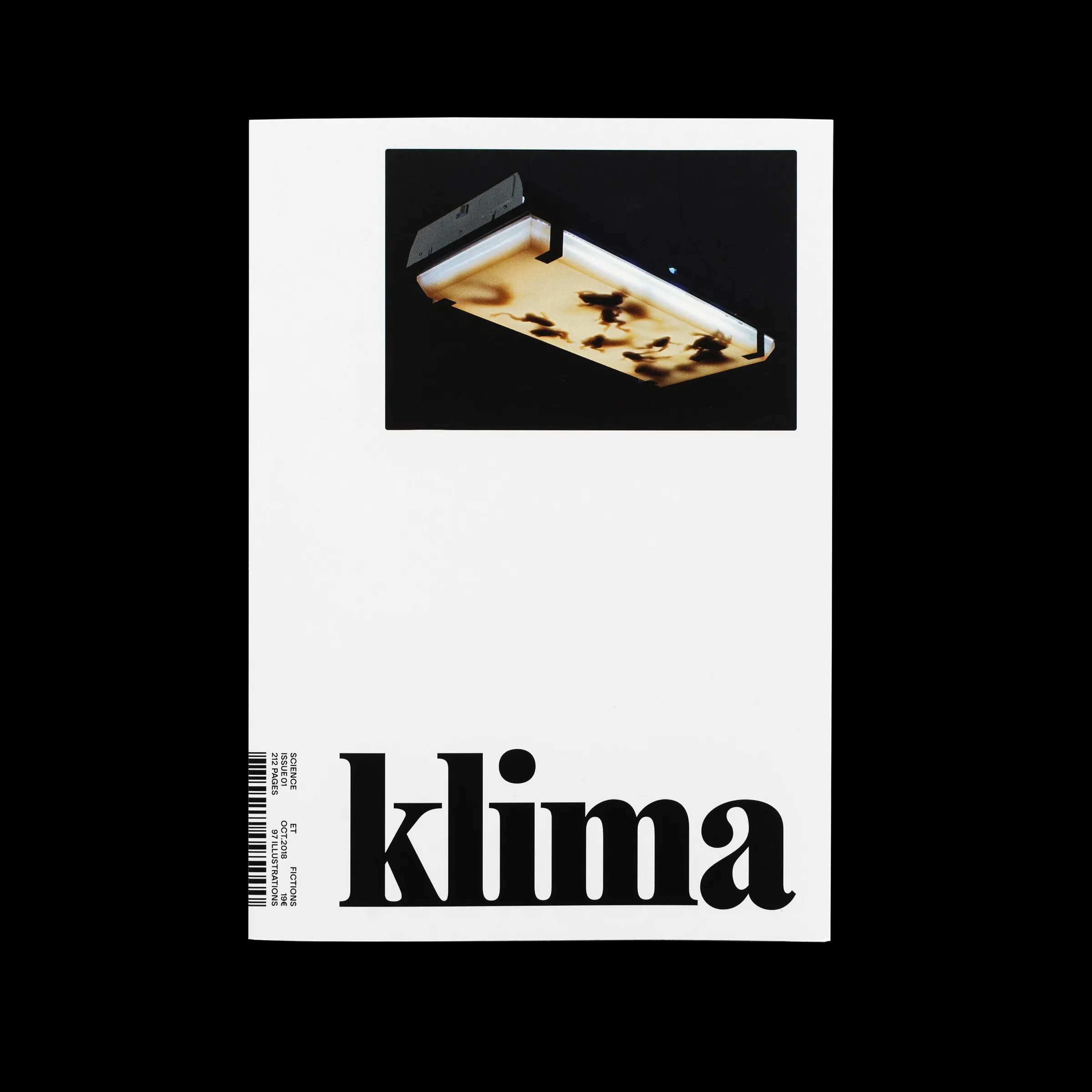
About Marlfield
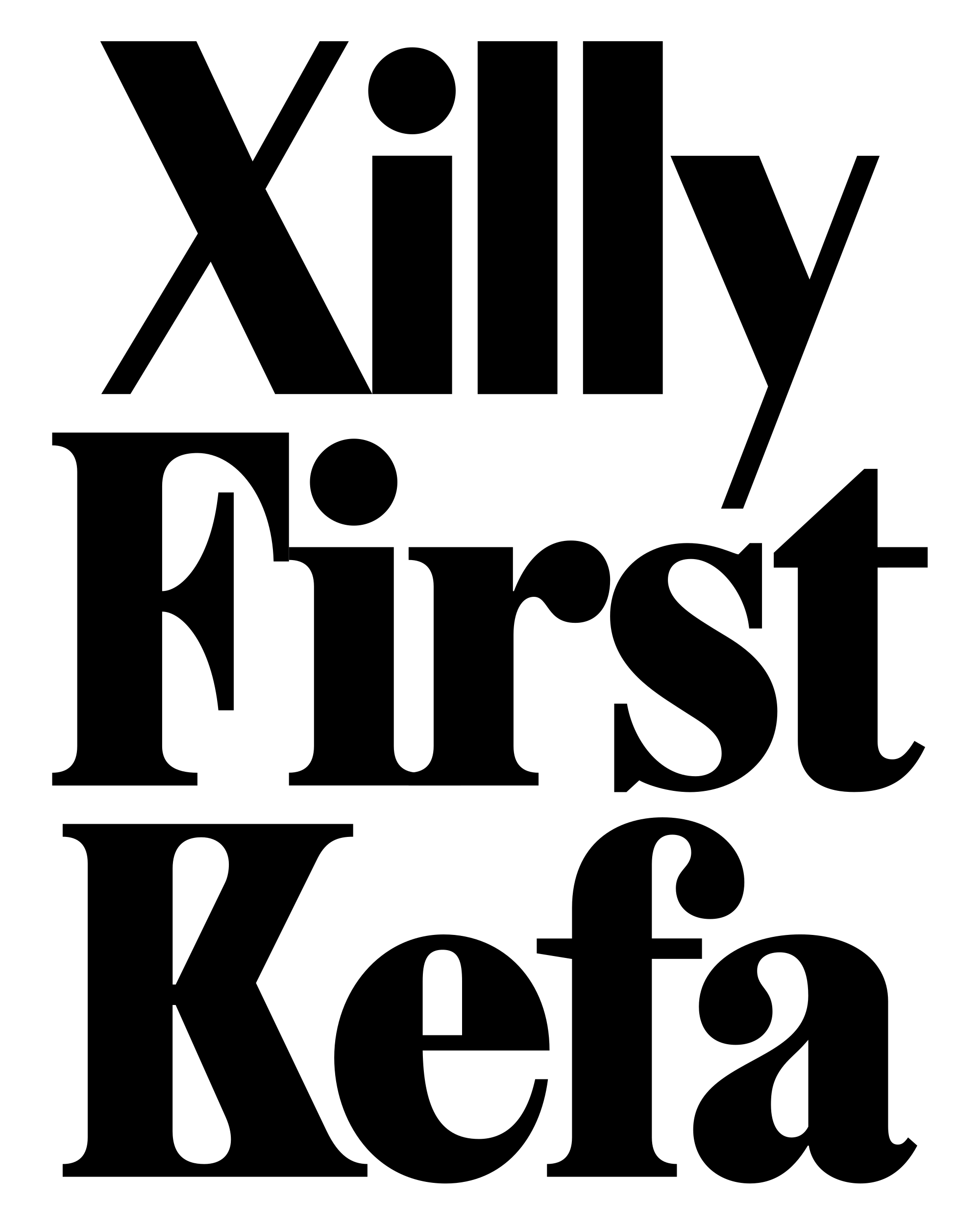
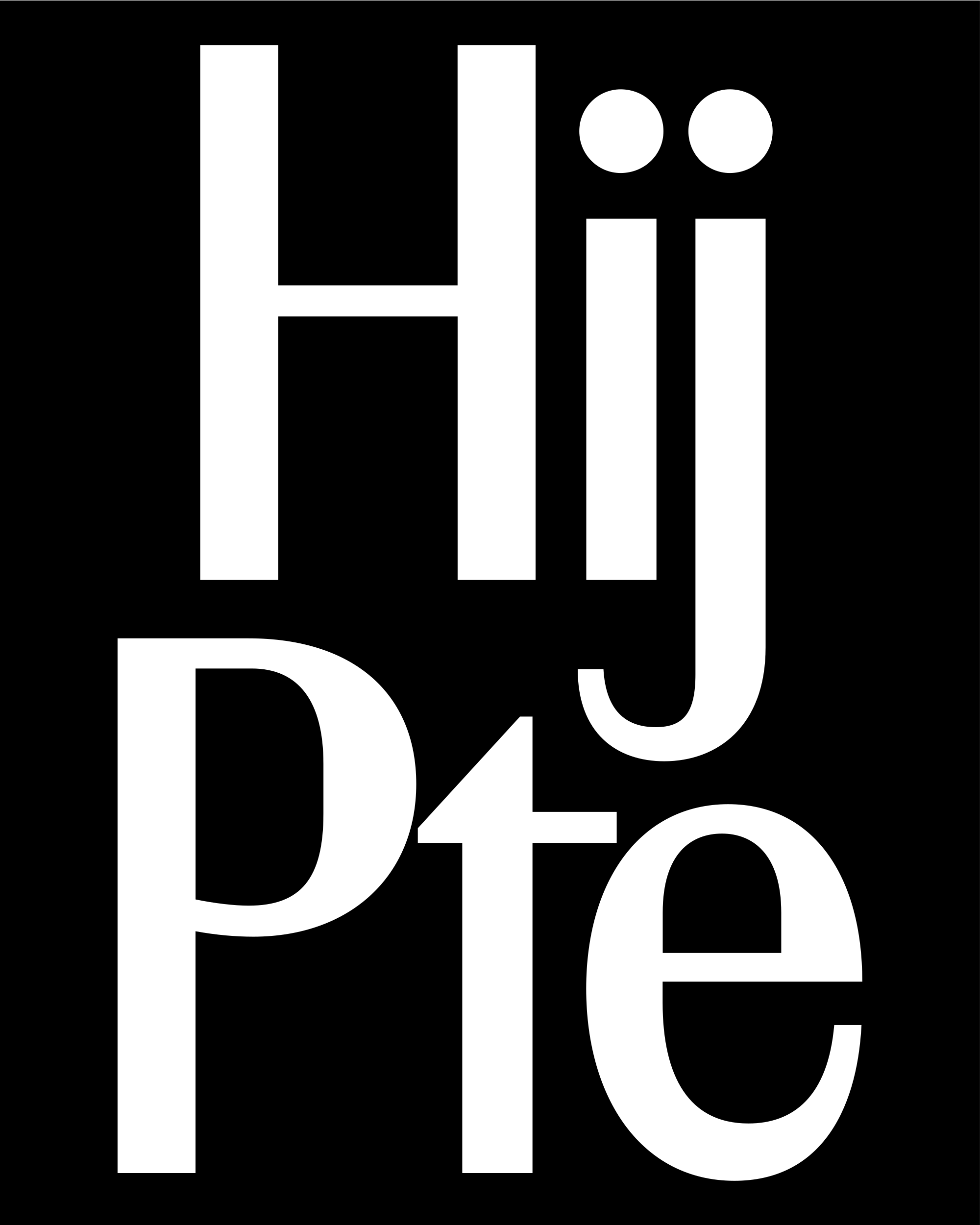
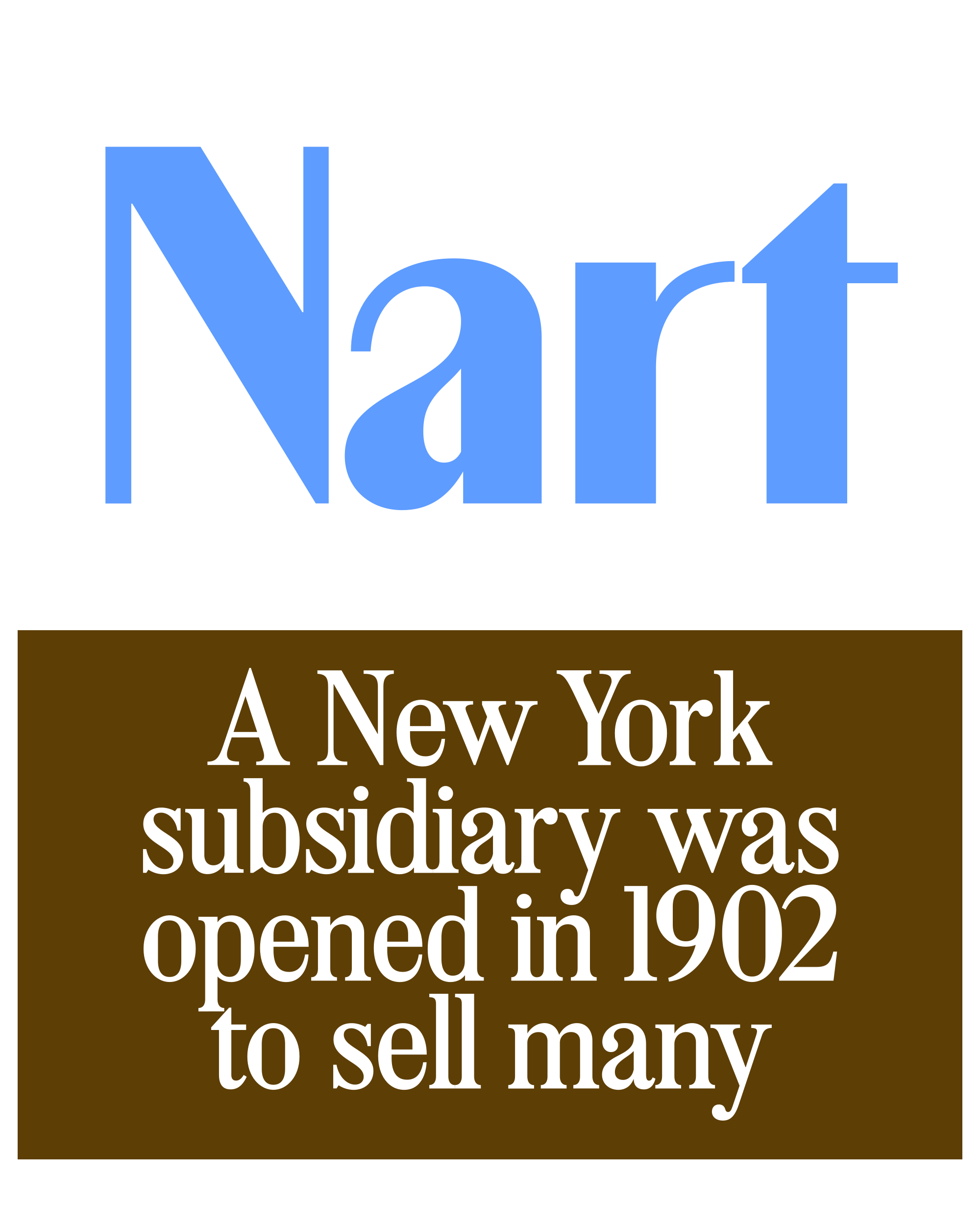
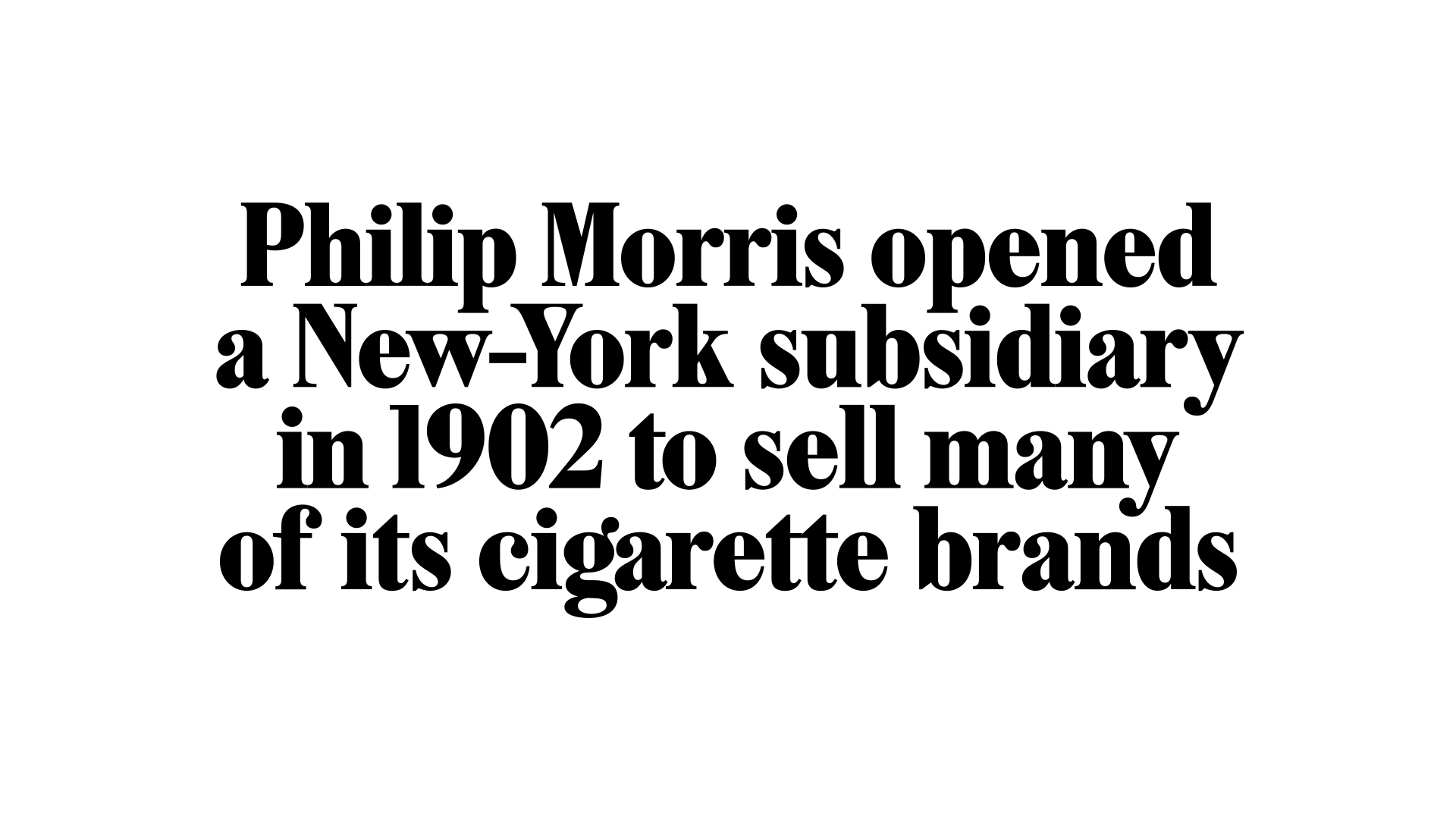
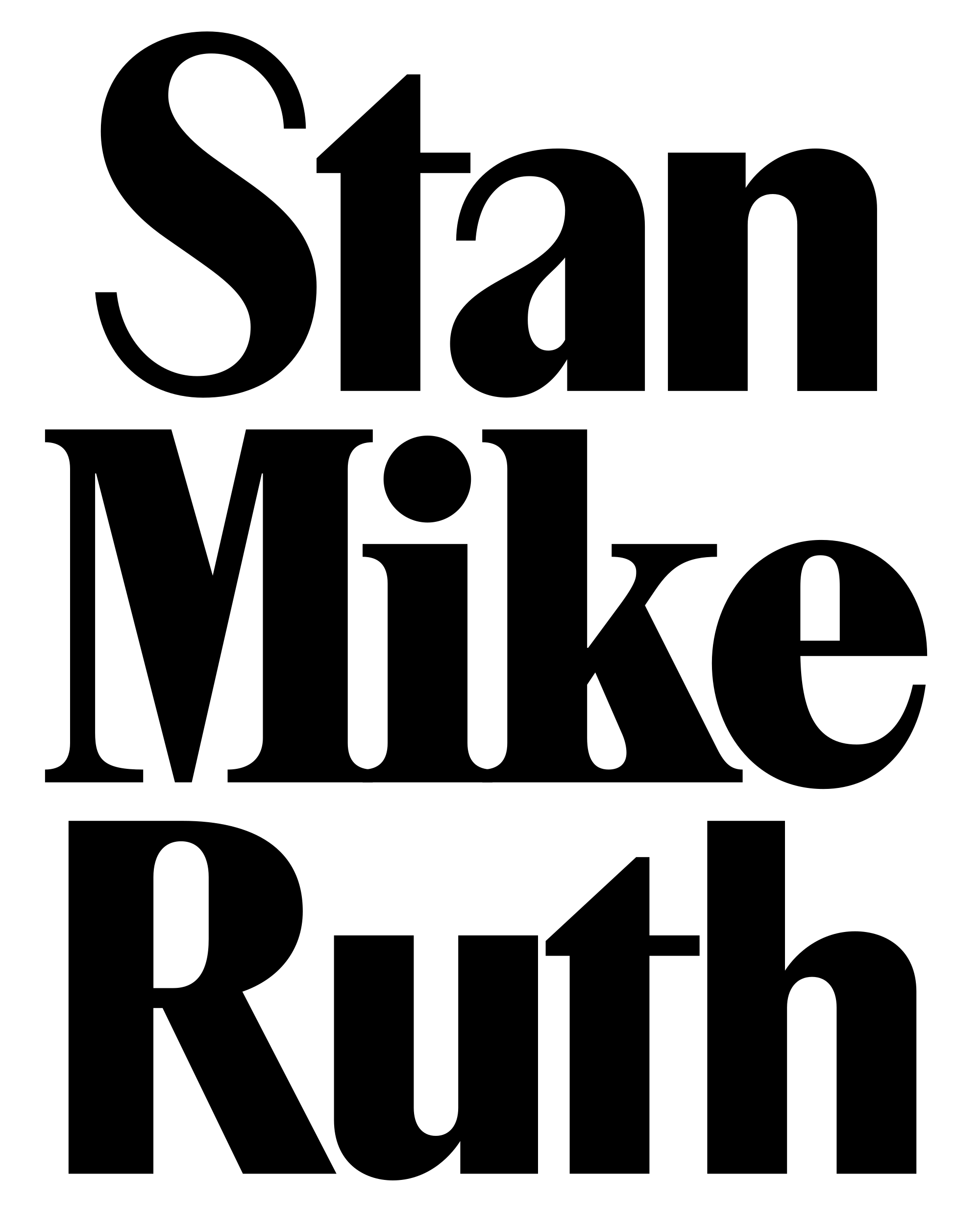
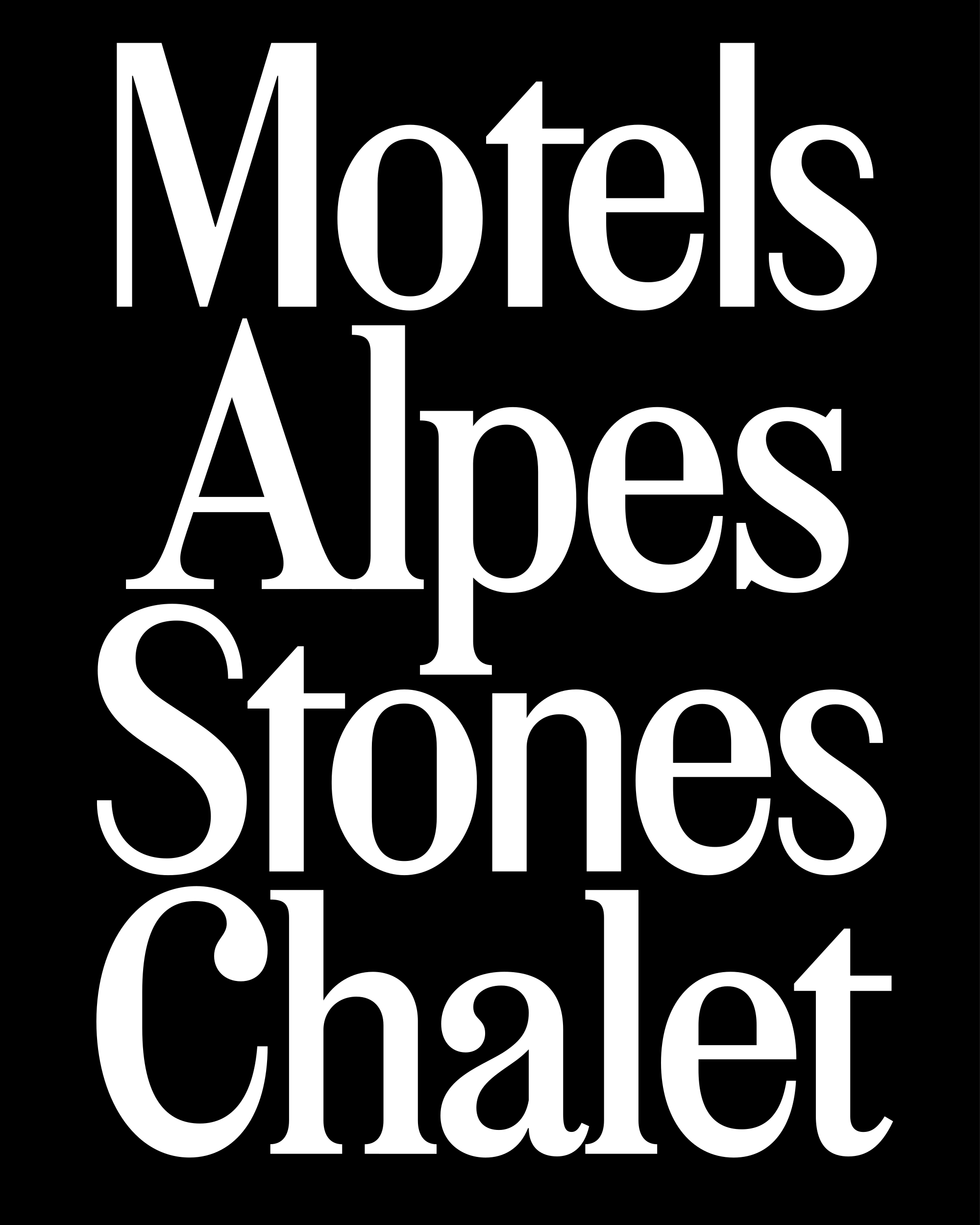
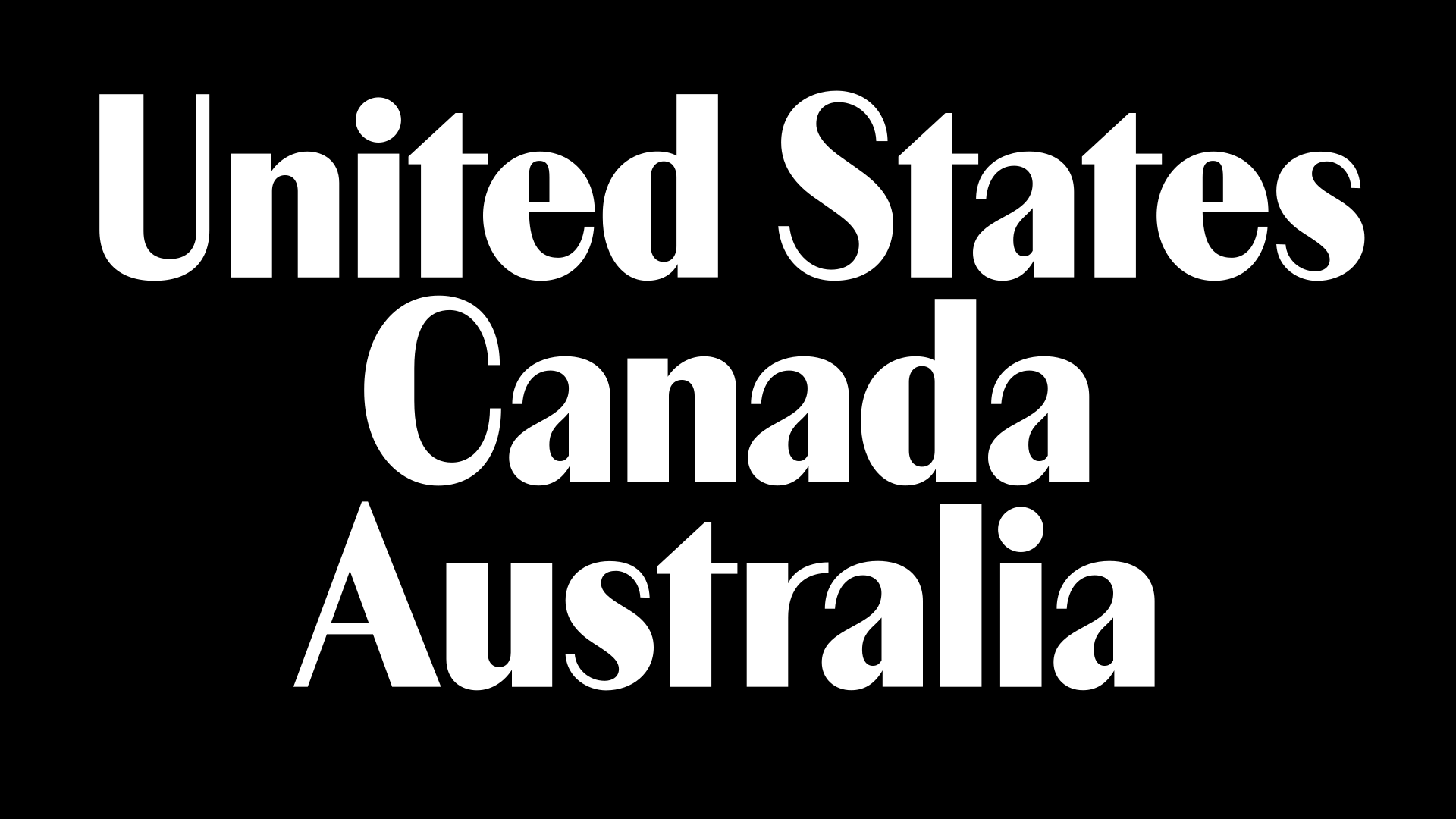
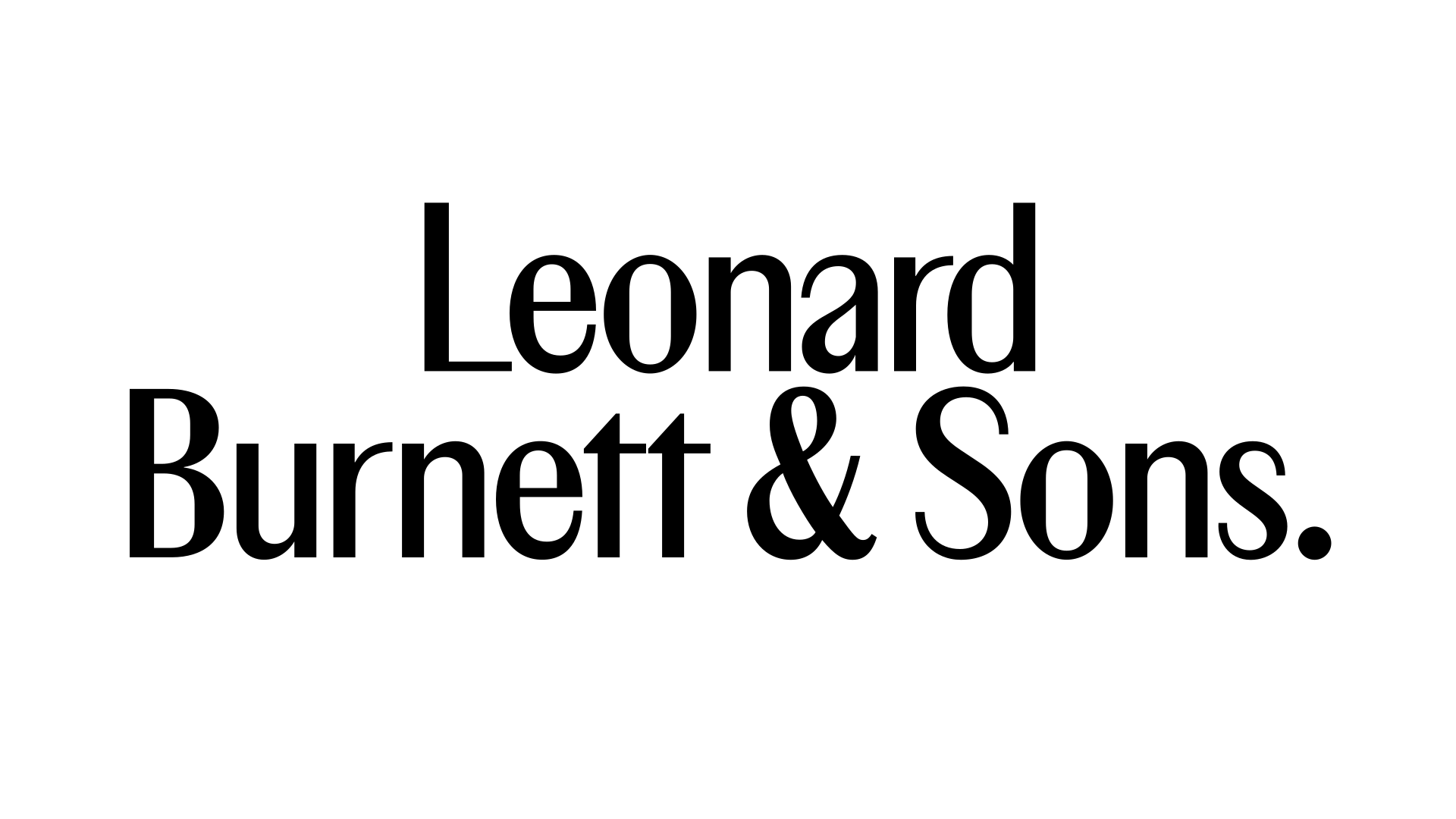
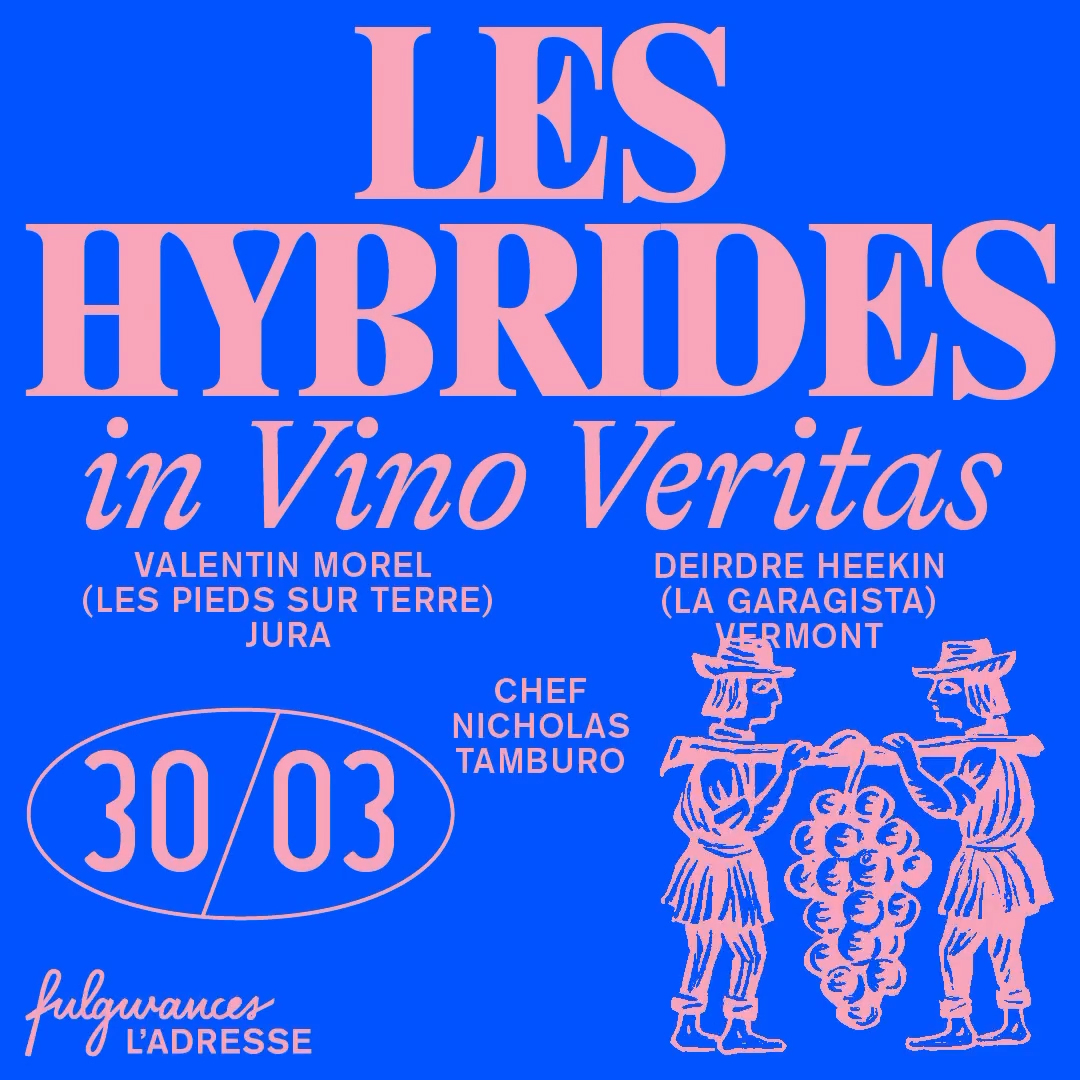
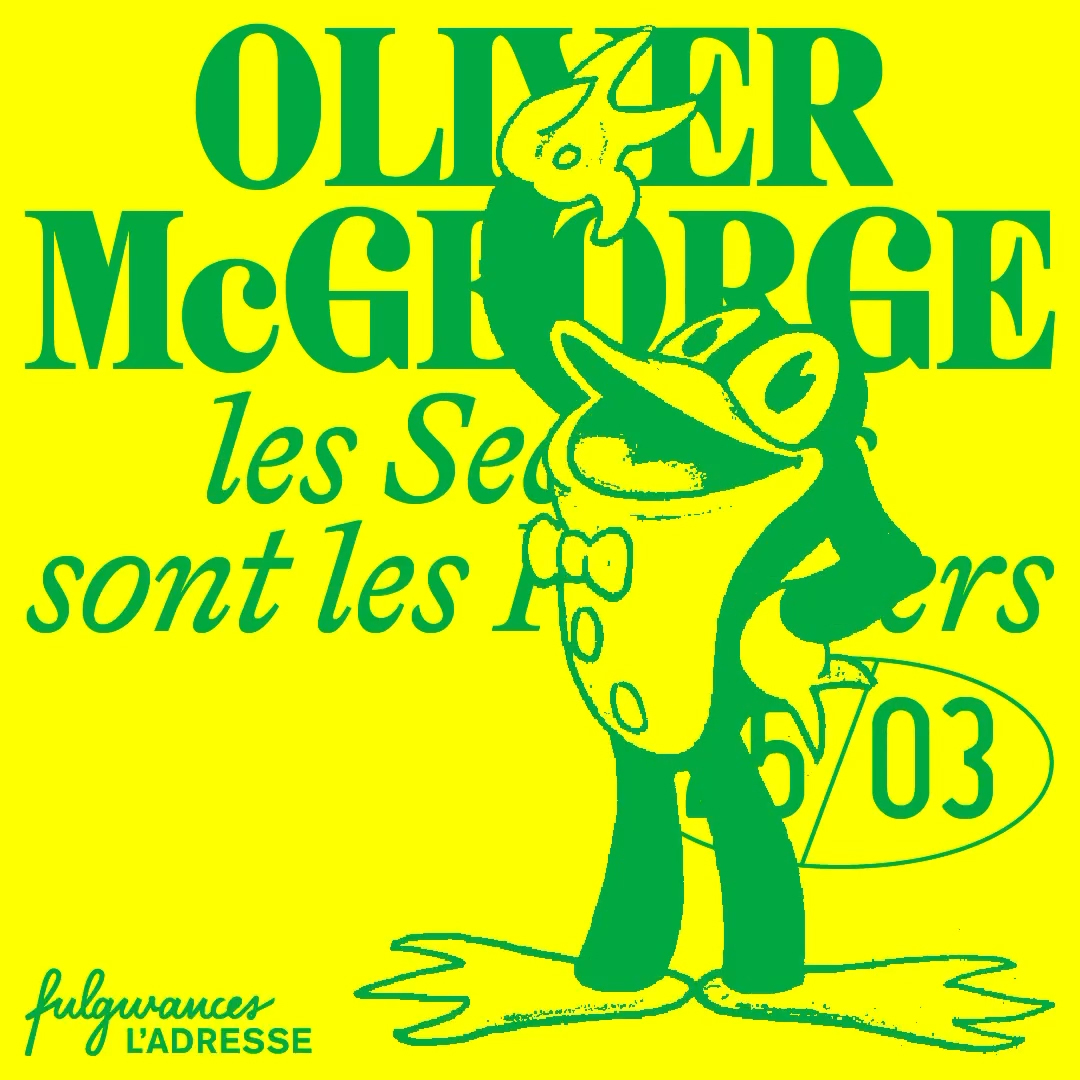
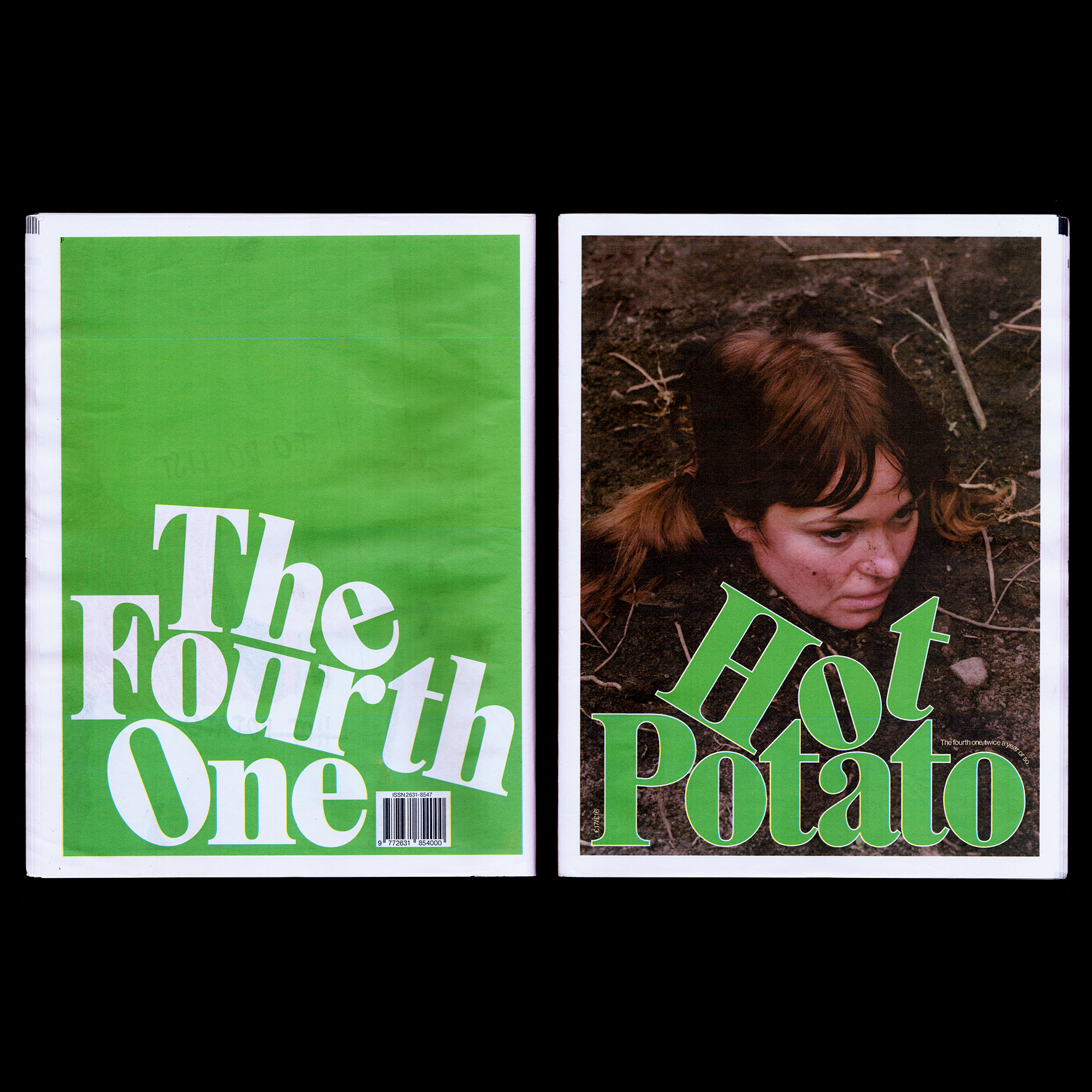
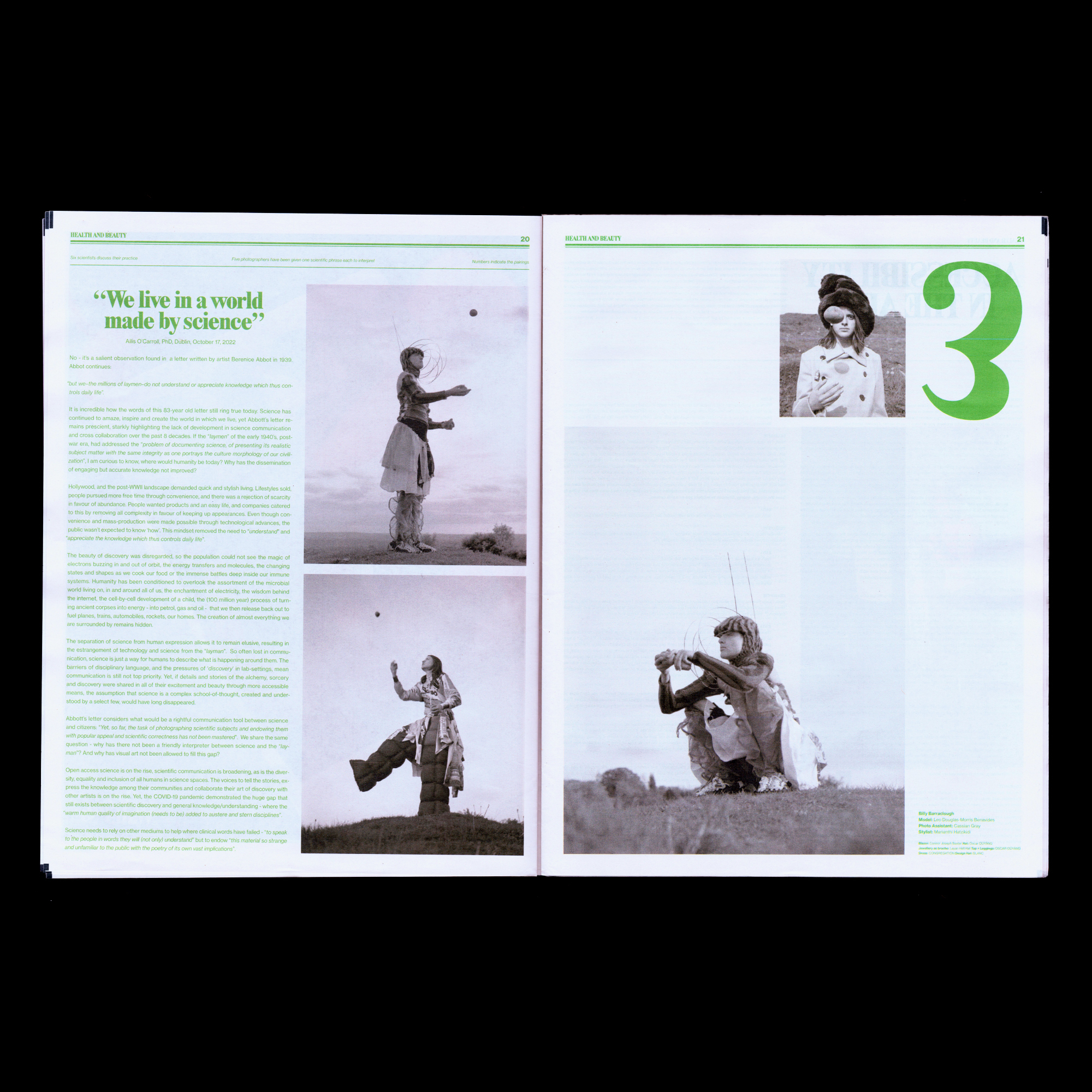
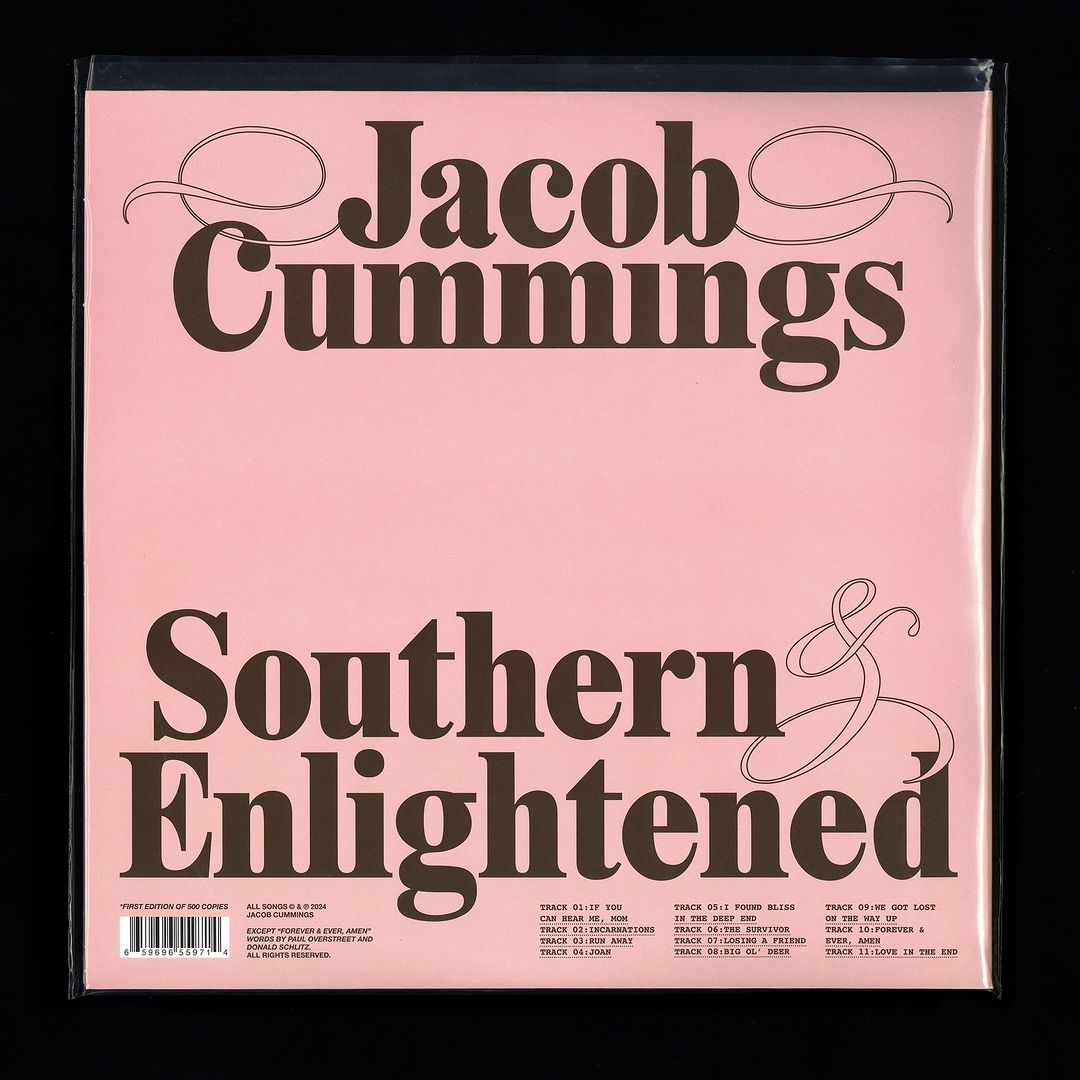
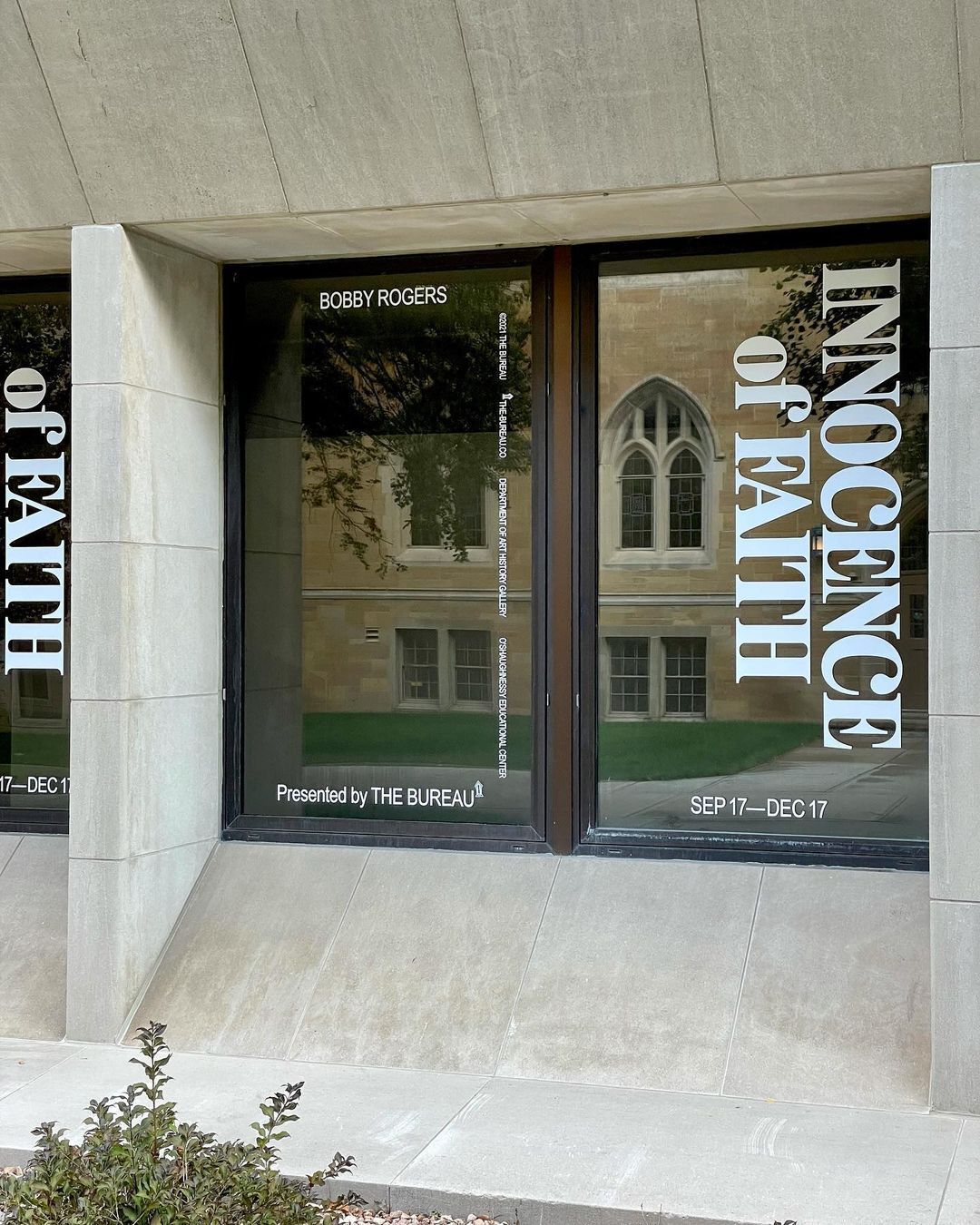
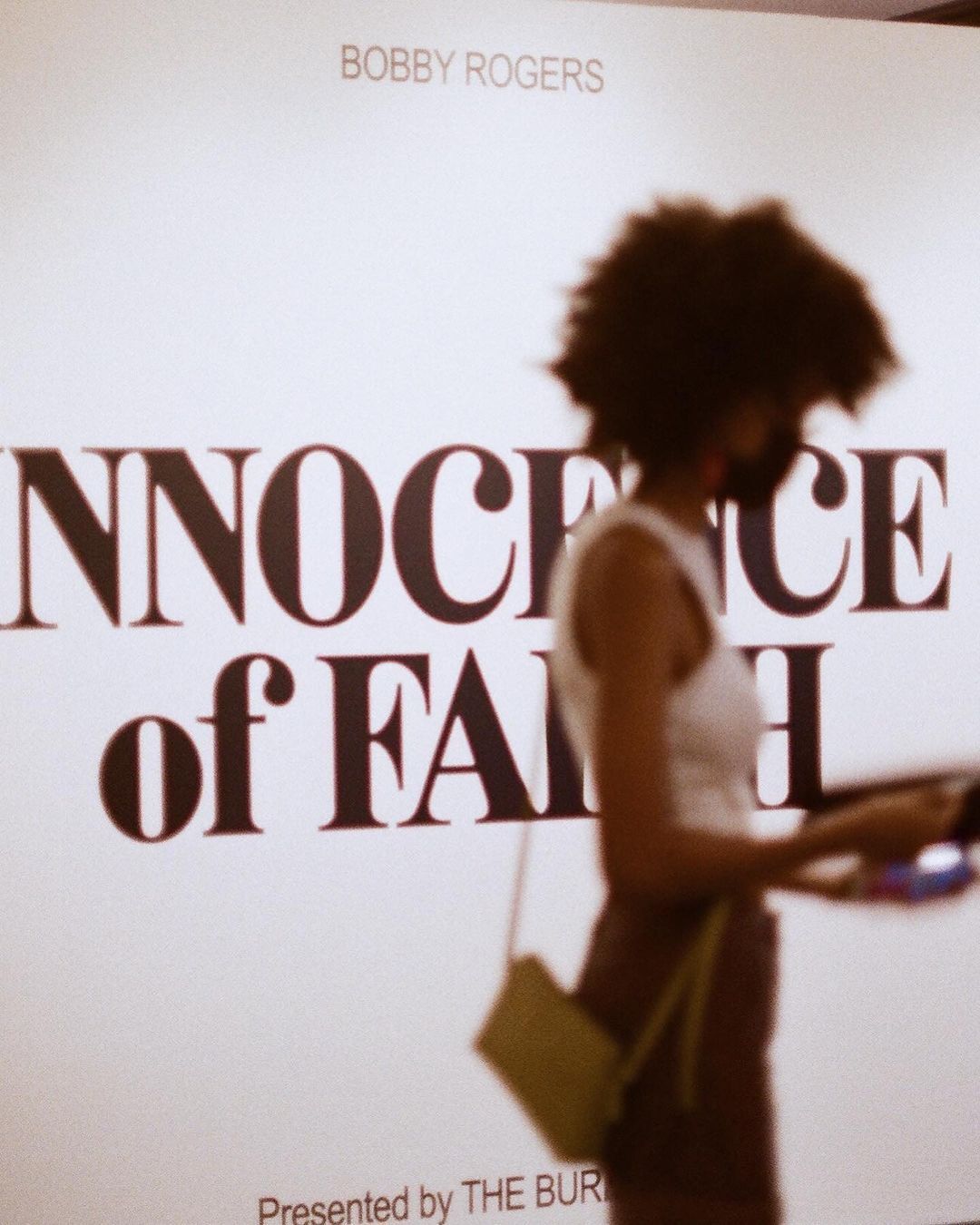
Marlfield is a display typeface with condensed proportions and assertive shapes. Originally designed for editorial use, especially magazine covers and headlines, it was meant to be compact, readable, and instantly recognizable at large sizes. First conceived almost like a single emblematic sign, a logo expanded into a full alphabet, Marlfield naturally developed into a coherent and distinctive system.Its structure draws on classic proportions inherited from early 20th-century press typefaces such as Plantin, Perpetua, and Times New Roman, known for their balance of clarity and impact. Here, these foundations are reinterpreted through a condensed construction, strong contrast, a high x-height, shortened ascenders and descenders, and tight spacing and careful kerning, all contributing to a dense, compact presence. Marlfield is designed to function as a bold, space-claiming display face.Originally drawn in a single Bold weight, Marlfield later evolved into a small family of four styles. The initial Bold serif was joined by a Regular serif, as well as two sans-serif counterparts, Sans Regular and Sans Bold.The sans-serif styles continue the long-standing typographic gesture of removing serifs from an existing design, an approach that can be both radical and refined. Rather than a simple translation, the alphabet was entirely redrawn to maintain internal harmony while giving the Sans a cleaner, more energetic tone of its own. Their shapes subtly echo French typefaces of the 1930s to 1950s, including Cassandre’s Peignot and Excoffon’s Chambord, not as direct references but as quiet resonances that extend a tradition of expressive, confidently structured French lettering.Marlfield offers a balance in which historical cues support a contemporary voice, making it both familiar and fresh. Its mix of structure, tension, and character allows it to work across editorial, cultural, and identity-driven projects, anywhere a strong and memorable typographic presence is needed.
Details
Character set: Latin extended
File formats delivered: OTF, TTF, WOFF, WOFF2
Designed by Eliott Grunewald. Development and mastering by Solenn Bordeau at OTT.
Supported Languages
Afrikaans • Albanian • German • English • Asu • Low German • Lower Sorbian • Basque • Bemba • Bena • Bosnian • Cape Verdean • Catalan • Cebuano • Chewa • Chisena • Cornish • Corsican • Mauritian Creole • Croatian • Danish • Jola-Fonyi • Embu • Spanish • Esperanto • Estonian • Faroese • Filipino • Finnish • French • Friulian • West Frisian • Scottish Gaelic • Galician • Welsh • Ganda • Greenlandic • Gusii • Upper Sorbian • Hungarian • Ido • Indonesian • Interlingua • Interlingue • Irish • Isangu • Icelandic • Italian • Javanese • Jju • Kalenjin • Kamba • Kiga • Kikuyu • Kinyarwanda • Kölsch • Kurdish • Latvian • Ligurian • Lithuanian • Lojban • Lombard • Luo • Luxembourgish • Luyia • Makonde • Makua • Malay • Malagasy • Maltese • Manx • Maori • Matchame • Meru • Northern Ndebele • Southern Ndebele • Dutch • Norwegian Bokmål • Norwegian Nynorsk • Nyankole • Occitan • Oromo • Polish • Portuguese • Rejang • Romansh • Rombo • Romanian • Rundi • Rwa • Samburu • Inari Sami • Northern Sami • Sango • Sardinian • Shambala • Shona • Silesian • Slovak • Slovenian • Soga • Somali • Northern Sotho • Southern Sotho • Sundanese • Swedish • Swiss German • Swahili • Swati • Taita • Taroko • Czech • Teso • Tsonga • Tswana • Turkmen • Vmw • Vunjo • Walloon • Walser • Wolastoqey • Wolof • Xhosa • Zhuang • Zulu