Informations
About Gelbique
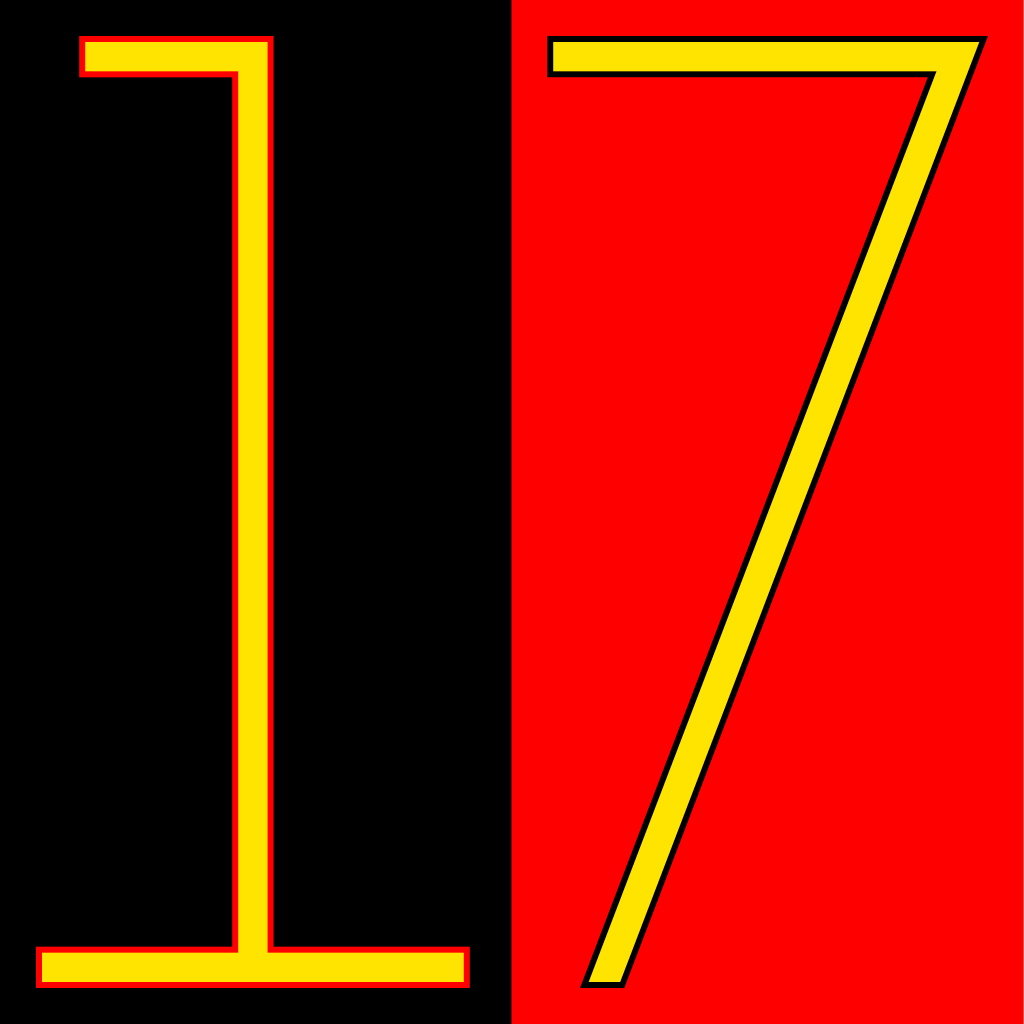
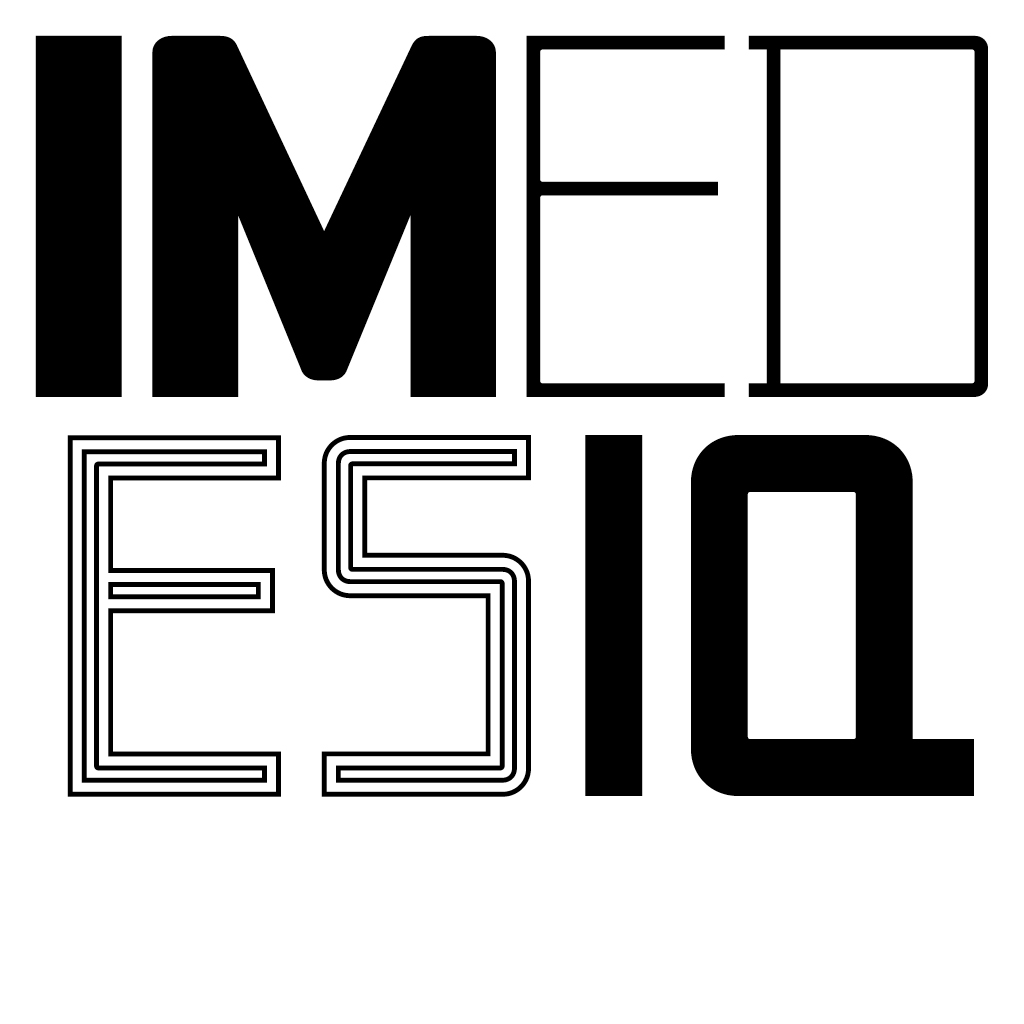
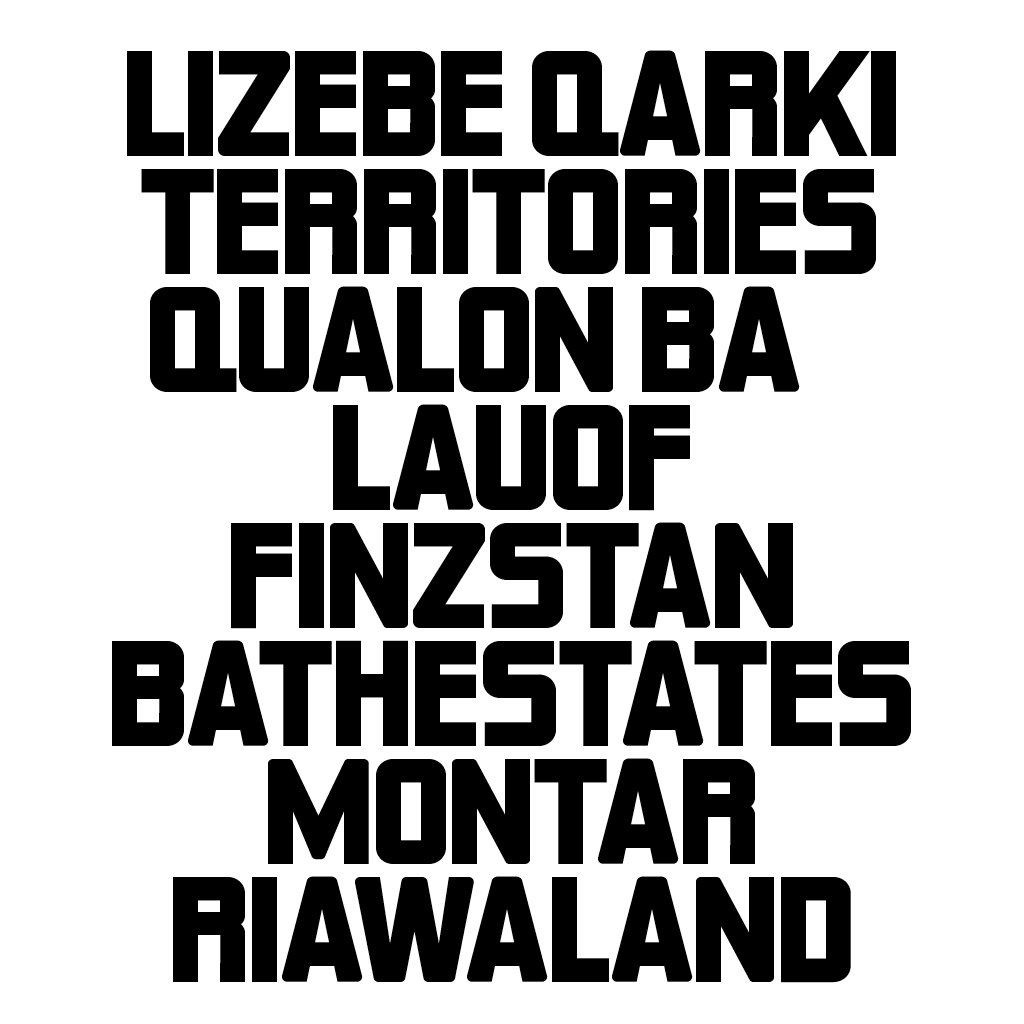
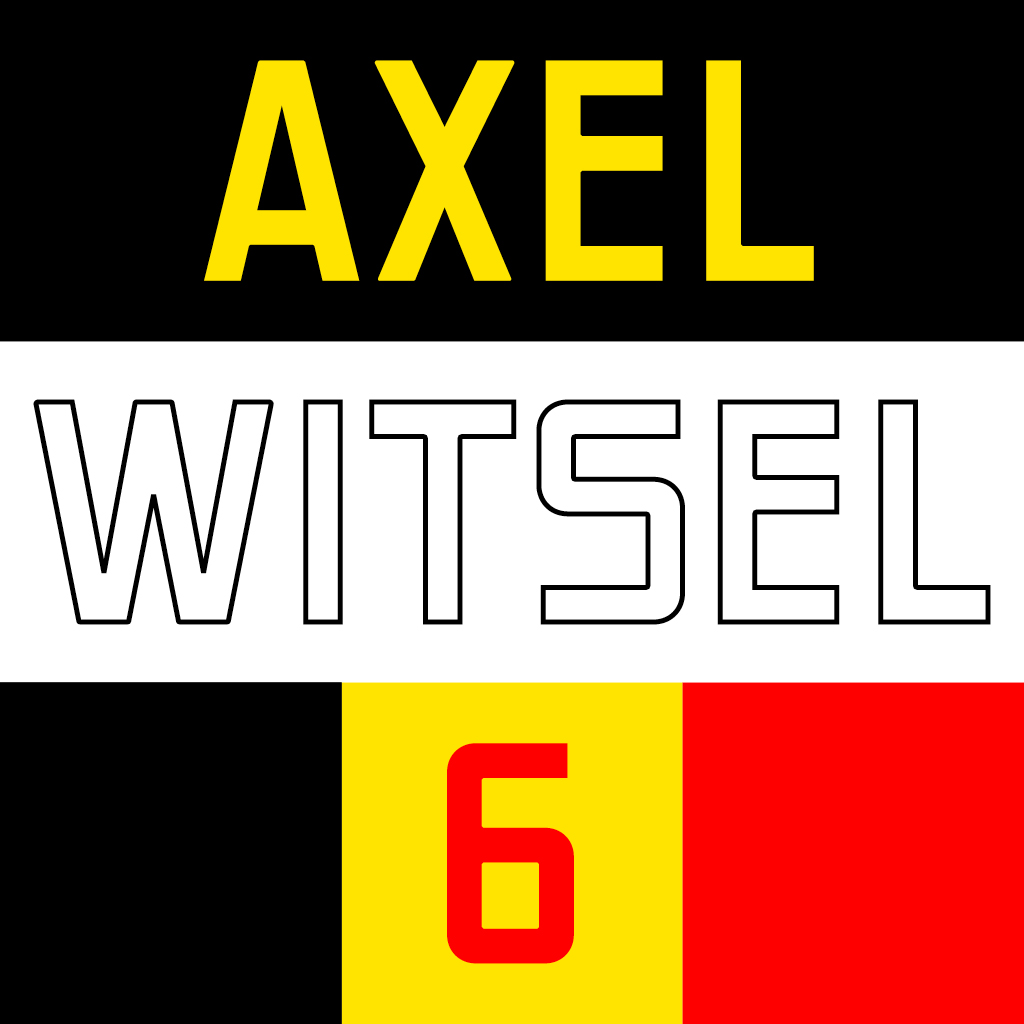
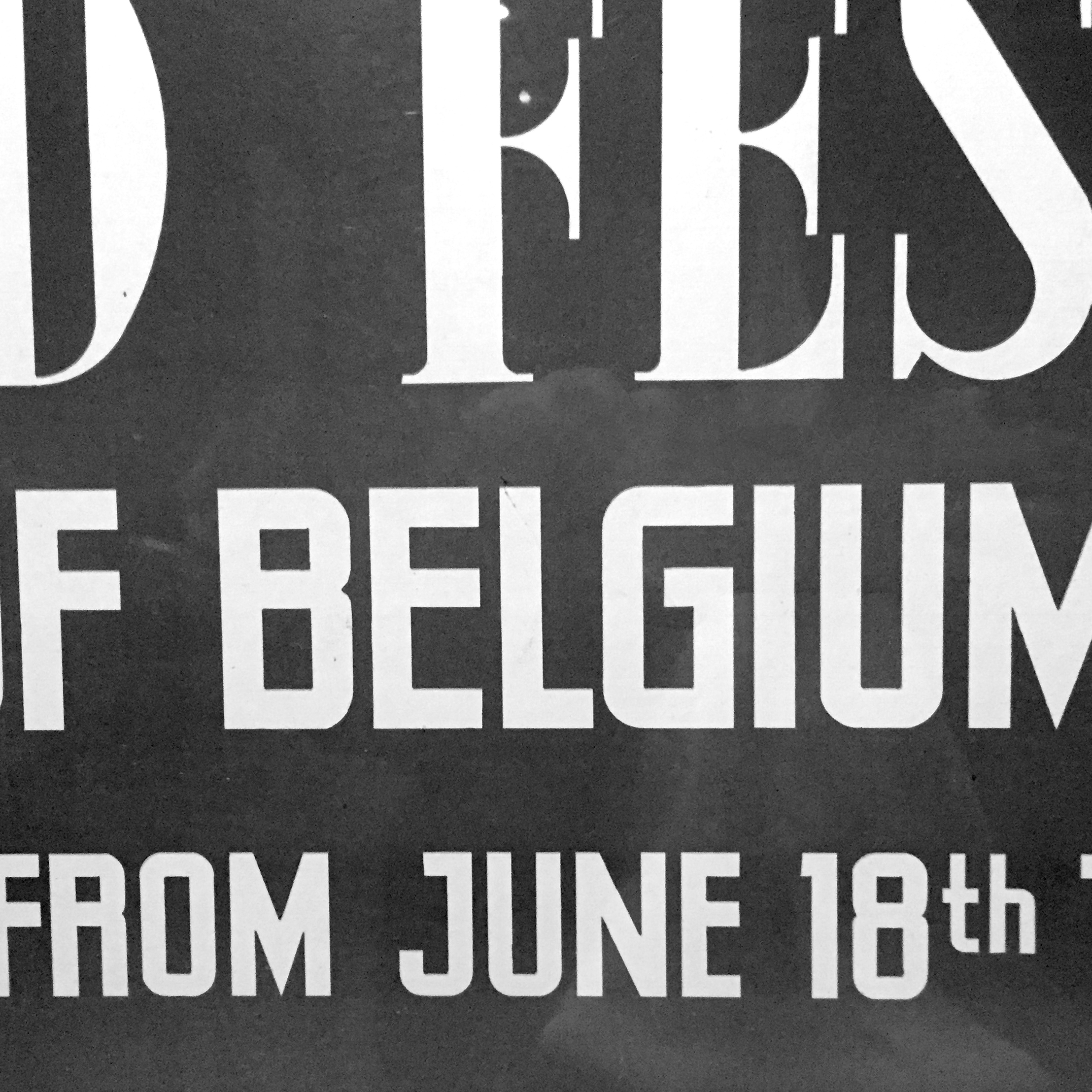
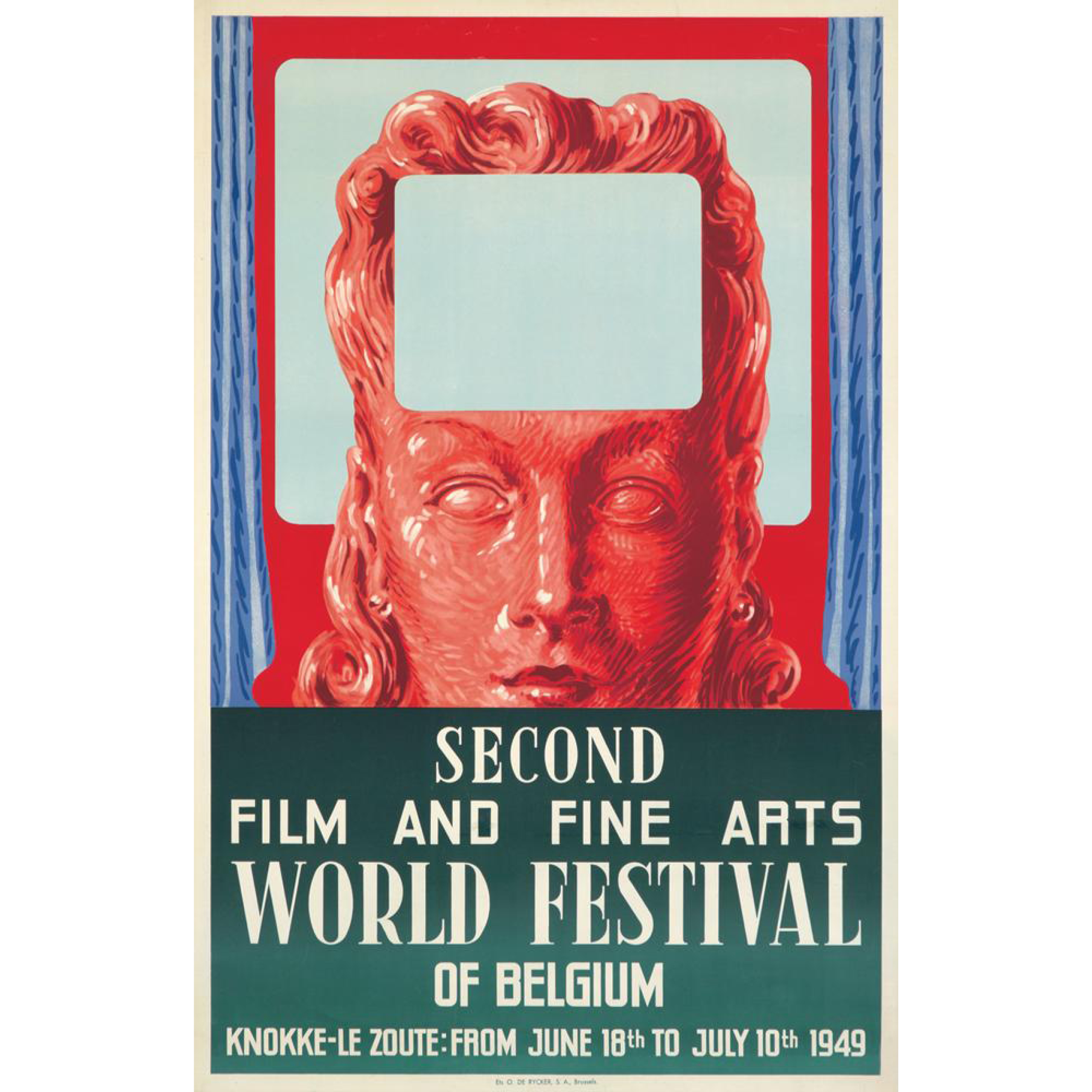
The Gelbique font has its origins in a unique work of art: a poster designed in 1949 by the famous painter René Magritte to advertise the "Second Film and Fine Arts World Festival of Belgium" held in Knokke-le-Zout in the summer of that year. This poster is a masterpiece in its own right, visible at the Magritte Museum in Brussels. Combining a portrait of a woman with a white space on stage, in striking contrast to the lower part of the poster which features two condensed characters, one with a serif and one without.It was this condensed sans-serif font that instantly captured my attention. It worked perfectly at a large size to indicate the nature of the exhibition, while remaining perfectly legible at a smaller scale to indicate the venue. From these few characters, a complete alphabet was carefully designed, taking advantage of the font's minimalist modular structure, which consists of very few components.Several variants of this font were subsequently developed, offering a range of different uses. Each typeface was named after a town on the Belgian coast. The regular typeface, called "Ostende" was the original version of the poster, but with a slightly larger weight. Each letter plays with counter forms of mechanically rounded curves contrasted with right angles, bringing to life the unique silhouette of each glyph. This Gelbique font is therefore a tribute to Magritte's art, preserving the essence of this original creation while transforming it into a tool for modern typographic expression.
Details
Character set: Latin extended
File formats delivered: OTF, TTF, WOFF, WOFF2
Designed by Eliott Grunewald. Development and mastering by OTT.
Supported Languages
Afrikaans • Albanian • German • English • Asu • Low German • Lower Sorbian • Basque • Bemba • Bena • Bosnian • Cape Verdean • Catalan • Cebuano • Chewa • Chisena • Cornish • Corsican • Mauritian Creole • Croatian • Danish • Jola-Fonyi • Embu • Spanish • Esperanto • Estonian • Faroese • Filipino • Finnish • French • Friulian • West Frisian • Scottish Gaelic • Galician • Welsh • Ganda • Greenlandic • Gusii • Upper Sorbian • Hungarian • Ido • Indonesian • Interlingua • Interlingue • Irish • Isangu • Icelandic • Italian • Javanese • Jju • Kalenjin • Kamba • Kiga • Kikuyu • Kinyarwanda • Kölsch • Kurdish • Latvian • Ligurian • Lithuanian • Lojban • Lombard • Luo • Luxembourgish • Luyia • Makonde • Makua • Malay • Malagasy • Maltese • Manx • Maori • Matchame • Meru • Northern Ndebele • Southern Ndebele • Dutch • Norwegian Bokmål • Norwegian Nynorsk • Nyankole • Occitan • Oromo • Polish • Portuguese • Rejang • Romansh • Rombo • Romanian • Rundi • Rwa • Samburu • Inari Sami • Northern Sami • Sango • Sardinian • Shambala • Shona • Silesian • Slovak • Slovenian • Soga • Somali • Northern Sotho • Southern Sotho • Sundanese • Swedish • Swiss German • Swahili • Swati • Taita • Taroko • Czech • Teso • Tsonga • Tswana • Turkmen • Vmw • Vunjo • Walloon • Walser • Wolastoqey • Wolof • Xhosa • Zhuang • Zulu